Column · @kylerwqxw759
Gutter Cleaning Hackettstown: Protect Your Attic, Roof, and Walls

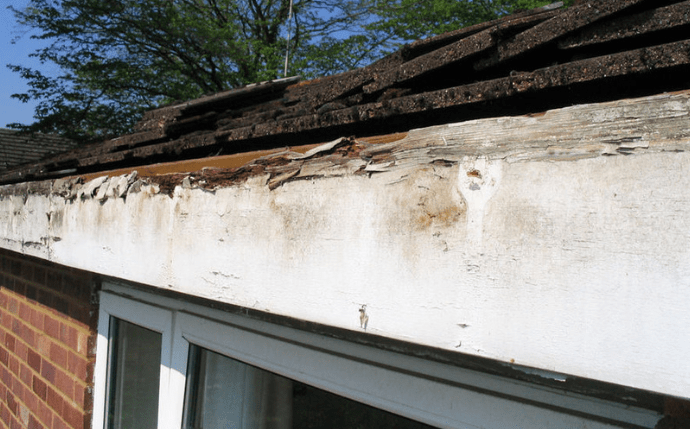

A gutter system does one quiet, unglamorous job that affects almost every part of a house. It catches roof runoff and moves it away before water can soak fascia boards, back up under shingles, stain siding, rot trim, or find a path into the attic. When gutters clog, the failure is rarely isolated. It starts at the roof edge, then works its way into insulation, sheathing, soffits, exterior walls, and sometimes the foundation.
That chain reaction is easy to underestimate in a place like Hackettstown, where homes see a little of everything. Spring pollen and seed pods, summer downpours, fall leaf drop, and winter freeze thaw cycles all put pressure on gutters. A system that looks mostly fine from the ground can still be one hard rain away from overflow. The homeowners who catch problems early usually spend less and avoid the frustrating kind of damage that unfolds slowly, behind walls and above ceilings.
For anyone searching for Gutter Cleaning Hackettstown, the real goal is bigger than tidying up a roofline. It is protecting the attic, roof, and walls from preventable water damage.
Why clogged gutters threaten more than the gutters themselves
Most people notice gutters only when water pours over the sides like a waterfall. By that point, the system has already failed. A clog does not just block flow. It changes where water goes and how long it stays in contact with building materials that should dry quickly.
When downspouts are blocked or troughs are packed with leaves, pine needles, shingle grit, and mud, rainwater ponds in sections that were designed to drain. That standing water adds weight, sometimes enough to loosen hangers or pull the gutter out of alignment. Once pitch is off, even a cleaned gutter may keep holding water in the wrong spot. That is when the issue stops being maintenance and becomes repair.
The first vulnerable area is often the roof edge. Water that cannot move forward may creep backward under the lowest course of shingles. On older homes, especially where flashing details are imperfect or roof decking has seen years of temperature swings, that moisture can soak the wood beneath. The attic may be the first place where the problem becomes visible, though not always right away. Damp decking, dark staining near the eaves, compressed insulation, or a musty smell in one corner after a storm are common clues.
Exterior walls take a beating too. Overflowing gutters send sheets of water down siding, behind trim joints, and around window casings. Brick and masonry homes are not immune. Mortar joints absorb moisture, freeze, and gradually break down. Painted wood trim peels faster. Vinyl siding can hide water entry until the sheathing underneath begins to soften. I have seen houses where the homeowner thought they had a roof leak, only to find the real culprit was a clogged upper gutter spilling onto a wall section for months.
Hackettstown weather makes timing matter
Gutter care in Hackettstown is not a once a decade chore. Local weather patterns make regular inspection practical, not paranoid. Deciduous trees can drop a surprising amount of debris in just a few weeks, particularly if the house sits below the canopy line. A single storm can also wash twigs, seed clusters, and roof granules into low spots that were clear the month before.
Fall gets most of the attention, and for good reason, but spring is often where hidden damage starts. Buds, blossoms, and helicopter seeds can compact into dense mats, especially in shaded gutters that never fully dry. Add a few moderate rains and the debris turns into a sponge. Summer then brings the kind of fast, heavy downpours that test every elbow and downspout. If the system is partially blocked, water finds the path of least resistance, usually over the front edge or behind the back lip.
Winter creates its own set of problems. If gutters are full when temperatures drop, trapped water freezes in place. Ice expands, joints open, and hangers strain. Ice dams get a lot of attention, but clogged gutters can contribute to the same roof edge stress even when the attic insulation and ventilation are otherwise decent. A clean gutter is not a cure for all winter roof issues, but a clogged one certainly makes them worse.
What happens to the attic when gutters overflow
Attics tend to reveal moisture problems in subtle ways first. Insulation loses performance when it gets damp, and even minor wetting can flatten fiberglass batts or reduce the effectiveness of blown insulation. That may not cause an obvious ceiling stain right away, but it can raise heating and cooling costs and create a cold or hot spot in adjacent rooms.
Roof decking near the eaves is another telltale area. Fresh leaks often leave a lighter, damp mark, while recurring moisture darkens wood and can encourage mold growth on the underside of the sheathing. Homeowners are often surprised to learn that an attic issue can begin outside at the gutter line rather than higher up on the roof field. The logic is straightforward. Water pools where it should not, gets driven by wind, or backs up under shingles, and then capillary action does the rest.
Ventilation can complicate the diagnosis. In attics with strong airflow, moisture may dry before obvious rot develops. That sounds fortunate, but it can also hide the source long enough for repeated wetting to weaken fasteners and wood fibers. If you only go into the attic once a year, it is easy to miss the early stage when the problem is cheapest to fix.
Roof damage rarely starts with a dramatic leak
Many roofing problems that seem sudden are actually the end point of a long maintenance lapse. Shingles along the eaves are especially vulnerable because they handle the concentrated runoff from the entire roof slope above them. When gutters back up, those lower shingles stay wet longer, and the roof edge assembly never gets the chance to dry properly.
On asphalt shingle roofs, prolonged moisture can accelerate granule loss and shorten the life of the bottom courses. On older roofs, the underlayment near the edge may already be brittle. Add standing water and winter freeze thaw stress, and small failures become openings. Metal flashing around roof edges, dormers, and valleys can also suffer when water repeatedly overflows nearby and deposits debris that holds moisture against seams.
One practical detail many homeowners miss is splashback. Even if water is mostly flowing out of the gutter, a partially clogged downspout can create turbulence that splashes onto the fascia and soffit. Over time, paint fails, wood softens, and carpenter ants or other pests may exploit those damp areas. The roof itself may be intact while the supporting trim quietly deteriorates.
Walls, windows, and siding pay the price
When water leaves the gutter where it should not, vertical surfaces become the next line of exposure. A steady overflow at one corner can drench siding every time it rains. That repeated wetting is hard on caulk joints, trim ends, and the small transitions where water usually gets inside.
I have seen second story overflows create first floor damage that looked unrelated at first glance. Paint bubbling on interior drywall near a window, a faint brown line at the top of a casing, or a musty smell in a closet on an outside wall can trace back to a clogged gutter above. Water is patient. It can travel behind trim, follow framing, and show up several feet away from where it entered.
Masonry has its own vulnerabilities. Brick can handle weather, but not endless saturation. When gutters dump water near a wall, brick absorbs some of it, especially in older homes with softer mortar. Once cold weather hits, the expansion from freezing moisture can spall surfaces and widen joints. What began as a cleaning issue becomes a tuckpointing job.
Signs your gutters need attention now
Most homeowners do not need to climb a ladder to know something is wrong. The house usually tells the story if you know where to look and when to look. The best time is during or right after a solid rain.
Here are five warning signs that should not wait for the next season:
- Water spilling over the gutter edge instead of flowing into the downspout
- Sagging sections, separated joints, or visible standing water in the trough
- Dark streaks on siding, peeling paint, or soft wood near the roofline
- Plants or moss growing from the gutter channel
- Damp attic insulation or staining near the eaves after rain
A single sign may point to a localized clog. Two or three usually mean the system needs a thorough cleaning and inspection, not just a quick scoop at the obvious trouble spot.
The difference between a quick cleanout and real maintenance
Not all gutter cleaning is equal. A rushed pass that removes visible leaves but ignores downspouts, outlets, pitch, and fasteners can leave the underlying problem in place. The gutter may look cleaner from the driveway, but the next heavy storm exposes the same failure.
Real maintenance starts with debris removal from the entire run, then checks each downspout for full flow. Elbows at the top and bottom are common choke points, especially where roof granules have mixed with wet leaves to form a dense sludge. After that, the system should be flushed to confirm drainage and reveal leaks at seams or end caps. This is also the moment to spot sections that are holding water because the slope has shifted.
The hangers matter more than many people realize. Loose spikes or failing hidden hangers allow the front edge to dip. Once that happens, water pours over the side even if the channel itself is clear. In wooded areas around Hackettstown, this often shows up on the rear elevations first, where homeowners rarely look. A proper service call catches those details.
How often should gutters be cleaned in Hackettstown?
There is no honest one size fits all schedule. The right interval depends on tree cover, roof pitch, gutter size, and how much debris the property naturally collects. A home surrounded by mature maples or oaks may need attention twice a year, sometimes more if the roof valleys feed a lot of material into one section. A more open lot with fewer overhanging branches may do well with one thorough cleaning and one inspection.
As a working rule, most homes in this area benefit from a spring check and a fall cleaning. Properties with pine trees, low slope roofs, or recurring downspout blockages often need tighter timing. The cost of an extra visit is usually far less than the price of fascia repair, interior paint work, or replacing wet insulation.
If you are unsure, watch the gutters during one strong rain. A system that drains well under real conditions tells you more than a dry weather glance from the lawn.
Where gutter guards help, and where they disappoint
Gutter guards can reduce the volume of large debris entering the system, but they are not a free pass to forget the gutters. That matters because homeowners often install guards expecting zero maintenance, then stop checking altogether. In practice, guards change the type of maintenance rather than eliminating it.
On some homes, especially those with large leaves and modest tree cover, a quality guard can be useful. On others, fine debris, pine needles, and roof grit still build up on top of the guard or work their way underneath. I have also seen guards make inspection harder because the gutter looks protected while the downspout below is slowly clogging out of sight.
The right decision depends on the debris type around the house and the design of the existing gutter system. Guards can help, but they should support a maintenance plan, not replace one.
Why safety and access are part of the decision
Gutter cleaning sounds simple until you factor in ladder placement, roof height, uneven ground, and the awkwardness of reaching around corners and lower roof sections. Many homes have one easy front run and one difficult rear elevation over a deck, walkout, or sloped yard. That changes the risk considerably.
Single story ranch homes are one thing. Two story sections, detached garages with steep pitches, and homes with landscaping that limits ladder footing are another. There is also the issue of what happens after the debris is out. Flushing a system to diagnose a hidden blockage often requires moving ladders multiple times and checking flow from the bottom while water is running from the top. That is manageable for experienced crews with the right setup. It is where many do it yourself efforts become frustrating or unsafe.
Questions worth asking before hiring a service
The best gutter cleaning appointments are the ones that also prevent the next problem. A provider should not just clear debris, they should notice the conditions that cause repeat overflows or hidden water damage. That includes loose hangers, poor pitch, separated seams, and downspout discharge that empties too close to the foundation.
If you are comparing services, keep these points in mind:
- Ask whether downspouts are cleared and flushed, not just the open gutter runs
- Confirm that minor issues like loose fasteners or small leaks will be reported
- Find out how debris is handled so you are not left with piles in beds or on walkways
- Ask whether photos can be provided for hard to see rooflines
- Make sure the scope includes checking drainage during water flow, if conditions allow
Those questions tend to separate a quick cleanup from a more complete maintenance visit. The difference matters because clogged gutters are often only half the story.
Small repairs that prevent larger bills
Cleaning creates the opportunity to catch inexpensive fixes before they become structural headaches. A resecured hanger, a resealed end cap, or a corrected downspout connection can save trim, sheathing, and paint. Homeowners often focus on the cleaning because it is visible, but the value often comes from the inspection that happens alongside it.
One frequent example is the gutter that technically drains but empties onto a splash block that no longer sends water far enough away. The gutter gets cleaned, the owner checks the box, and the basement corner still takes on moisture because runoff is saturating the soil near the foundation. Another common one is the upper downspout that discharges onto a lower roof section without adequate control, leading to oversplash and wear below. Both are fixable. Both get missed when nobody looks at the whole water path.
That is why Gutter Cleaning Hackettstown should be treated as part of exterior water management, not a one off chore. Roof, attic, walls, trim, and even grading work together. The gutter system is simply where those interactions become visible first.
A practical way to stay ahead of trouble
Most costly water damage from clogged gutters is preventable because the warning signs arrive early. A house does not usually go from healthy to rotten overnight. It gives hints. A damp attic corner after a hard rain. A little overflow at one elbow. Paint blistering near the fascia. Soil trenches below a drip line. None of those feel dramatic in isolation, which is exactly why they linger.
The homeowners who avoid major repairs tend to be the ones who treat gutter care as seasonal upkeep, the same way they handle furnace filters or deck sealing. Not because gutters are exciting, but because water is relentless and houses are full of places for it to do damage once it gets a foothold.
If your gutters have not been checked since https://messiahzvkj393.meridiannest.com/posts/gutter-cleaning-hackettstown-improve-drainage-and-home-safety the last heavy leaf drop, or if you have noticed stains, overflow, or dampness near the roof edge, this is the right time to act. Clean flow at the eaves protects more than curb appeal. It protects the attic from hidden moisture, the roof from premature wear, and the walls from the slow kind of water intrusion that is expensive to trace and even more expensive to repair.
Just Gutters LLC
Address: 262 Main St, Hackettstown, NJ 07840
Phone number: +12013319454
FAQ About Gutter Cleaning Hackettstown
How much should a gutter clean cost?
Professional gutter cleaning typically costs between $163 and $333, with a national average of around $210 to $250 for a standard-sized home.
What months should you clean gutters?
You should clean your gutters twice a year—once in late autumn (November to December) and once in late spring (April to May).
Is it worth paying for gutter cleaning?
Yes, paying for gutter cleaning is worth it because it prevents thousands of dollars in water damage, roof leaks, and structural repairs.